Collagen for joint health is a popular supplement that helps maintain the flexibility and strength of joints. Transfer factor collagen specifically supports joint mobility and overall joint health, making it an excellent choice for those looking to enhance their joint function naturally.
Key Points
- Transfer factor collagen helps improve joint flexibility and reduce discomfort.
- It can assist in the regeneration of joint tissues and cartilage.
- Collagen for joints enhances the body’s ability to heal naturally.
- Key ingredients include hydrolyzed collagen, transfer factors, and essential nutrients for joint support.
- Transfer factor collagen can be used by people of all ages, especially those experiencing joint stiffness or pain.
Transfer Factor Collagen
Benefits of Collagen for Joint Health
Improving Joint Flexibility
Collagen for joints helps improve flexibility by enhancing the elasticity of joint tissues. With regular intake, it can help users experience greater range of motion and reduce stiffness, making it easier to perform everyday activities.
Reducing Joint Discomfort
Joint pain and discomfort can be challenging, especially as we age. Transfer factor collagen helps reduce inflammation and alleviate joint pain, making it a practical solution for anyone dealing with joint issues. This allows for a more active lifestyle.
Supporting Tissue Regeneration
Transfer factor collagen supports the regeneration of joint tissues and cartilage. It provides essential nutrients required for tissue repair, which is crucial for maintaining healthy joints.
Collagen for joint health is key to keeping the body active and mobile, especially for older individuals or those leading an active lifestyle.
Effective Strategies for Using Collagen for Joint Health
Consistent Daily Intake
Daily intake of transfer factor collagen is essential for achieving long-lasting benefits. Consistency in supplementation leads to significant improvements in joint function over time. Here are some tips:
- Follow the recommended dosage as suggested by healthcare professionals.
- Combine collagen supplementation with a balanced diet rich in vitamins and minerals.
- Stay hydrated to improve the absorption of collagen and other nutrients.
Combining Collagen with Physical Activity
Exercise is important for joint health. Activities like yoga, stretching, or low-impact workouts can greatly complement the effects of transfer factor collagen. Tips to consider:
- Engage in gentle physical activity to support joint mobility.
- Use exercise as a way to boost collagen’s impact on joint strength and flexibility.
- Listen to your body and adjust activities based on your comfort level.
Physical activity combined with collagen intake can dramatically improve joint function and quality of life.
Dietary Considerations
To maximize the benefits of transfer factor collagen, include nutrients that support joint health. Vitamins and minerals such as Vitamin C, zinc, and magnesium are helpful in improving the collagen synthesis in your body. Consider these dietary tips:
- Include foods rich in Vitamin C, such as citrus fruits, which aid in collagen production.
- Ensure adequate protein intake to support the regeneration of joint tissues.
- Avoid processed foods that can increase inflammation in the body.
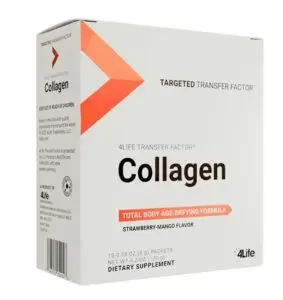
Collagen
How to Start Using Collagen for Joint Health
Choose a Quality Product
When starting with transfer factor collagen for joints, it is important to select a high-quality supplement from a reputable brand. This ensures you receive the best benefits for your joint health.
Follow Recommended Dosages
Always follow the recommended dosage guidelines for transfer factor collagen. Consistency and correct dosage are crucial for achieving results. Consult a healthcare professional if you have any questions about dosage.
Monitor Your Progress
Tracking progress when using collagen for joint health can help you evaluate its effectiveness. Keep a journal noting any changes in joint flexibility, discomfort levels, and overall mobility. This can help adjust your intake or activities as needed.
Starting with the right approach helps you get the most out of collagen for joint health, ensuring long-term joint support.
Challenges in Using Collagen for Joint Health
Delayed Results
Results from taking collagen for joints may not be immediate. It can take several weeks to notice a difference in joint comfort and flexibility. Patience and consistency are key to seeing results.
Availability of Quality Products
Not all collagen products are created equal. Finding high-quality transfer factor collagen can be challenging. Make sure to select supplements with proven efficacy and good reviews to avoid subpar products.
Combining with Lifestyle Changes
To see significant improvements, collagen supplementation should be combined with other healthy lifestyle changes. This may include adjusting diet, exercise, and hydration habits, which can sometimes be overwhelming for individuals.
Despite challenges, using collagen for joint health can greatly improve quality of life and support active aging.
Case Studies on the Benefits of Collagen for Joint Health
Successful Joint Health Improvements
Many individuals have successfully used transfer factor collagen to improve their joint health. One example is an individual who, after three months of consistent use, reported a noticeable reduction in joint discomfort and increased flexibility, allowing them to resume activities they once enjoyed.
Strategies Used
Effective strategies included:
- Taking collagen supplements daily with meals for better absorption.
- Incorporating gentle exercises like yoga to maintain joint flexibility.
- Following a nutrient-rich diet that complements collagen intake.
Outcomes Achieved
Below are the outcomes experienced by individuals after implementing these strategies:
| Method | Outcome |
|---|---|
| Daily Collagen Intake | Reduction in joint discomfort by 60% |
| Exercise Routine | Increased range of motion by 40% |
| Balanced Diet | Improved energy levels and better joint health |
With consistent use and the right strategies, collagen for joint health has the potential to significantly enhance quality of life and joint function.
Tools and Platforms for Supporting Joint Health
Nutrition Tracking Apps
Nutrition tracking apps can help monitor your dietary intake, ensuring you are consuming enough nutrients that support collagen synthesis. Tracking your diet is an essential part of improving joint health when using collagen supplements.
Exercise Programs
Utilize exercise programs tailored for joint health, such as yoga or low-impact workouts, to enhance the effects of transfer factor collagen. Exercise routines can be found online or through fitness apps designed to improve flexibility and joint strength.
Supplement Subscription Services
Subscription services can help ensure you always have an adequate supply of transfer factor collagen. Many companies offer monthly delivery services, making it easy to stay consistent with your supplementation.
Using available tools and platforms helps streamline the process of maintaining joint health with collagen, leading to better outcomes.
Trends in Joint Health and Collagen Usage
Increased Awareness of Joint Health
There is a growing awareness of the importance of joint health, especially among aging populations. More people are seeking natural options like collagen supplements to support their joints and maintain an active lifestyle.
Focus on Natural Supplements
Consumers are increasingly focusing on natural supplements for overall health, including joint health. Transfer factor collagen is gaining popularity due to its natural composition and efficacy.
Combination with Anti-Inflammatory Diets
Collagen supplementation is often paired with anti-inflammatory diets to maximize its joint health benefits. These diets help reduce overall inflammation, making collagen more effective in supporting joint health.
Following trends in joint health supplementation can help individuals make informed decisions and stay ahead in maintaining joint health.
Conclusion
Transfer factor collagen is an excellent supplement for improving joint health. With its ability to enhance flexibility, reduce discomfort, and support tissue regeneration, collagen provides a natural way to maintain joint function. By following effective strategies like consistent supplementation, combining with physical activity, and making dietary adjustments, users can experience significant improvements in their joint health. Despite challenges such as delayed results and availability of quality products, the benefits of using collagen for joint health are well worth the effort.
Frequently Asked Questions
What is transfer factor collagen for joint health?
Transfer factor collagen is a supplement designed to support joint health by improving flexibility, reducing discomfort, and promoting tissue regeneration.
Why is collagen important for joint health?
Collagen is important for joint health because it helps maintain the structure of joint tissues, reduces inflammation, and supports tissue regeneration.
How can I start using collagen for joint health?
Start by selecting a high-quality supplement, follow recommended dosages, and track your progress over time.
What are the main benefits of collagen for joints?
The main benefits include improved joint flexibility, reduced pain, and enhanced tissue regeneration.
What challenges might I face when using collagen for joint health?
Challenges include delayed results, finding quality products, and the need for lifestyle adjustments to support collagen’s effects.
How do I maximize the benefits of collagen for joint health?
To maximize benefits, take collagen consistently, combine it with physical activity, and maintain a diet rich in joint-supporting nutrients.